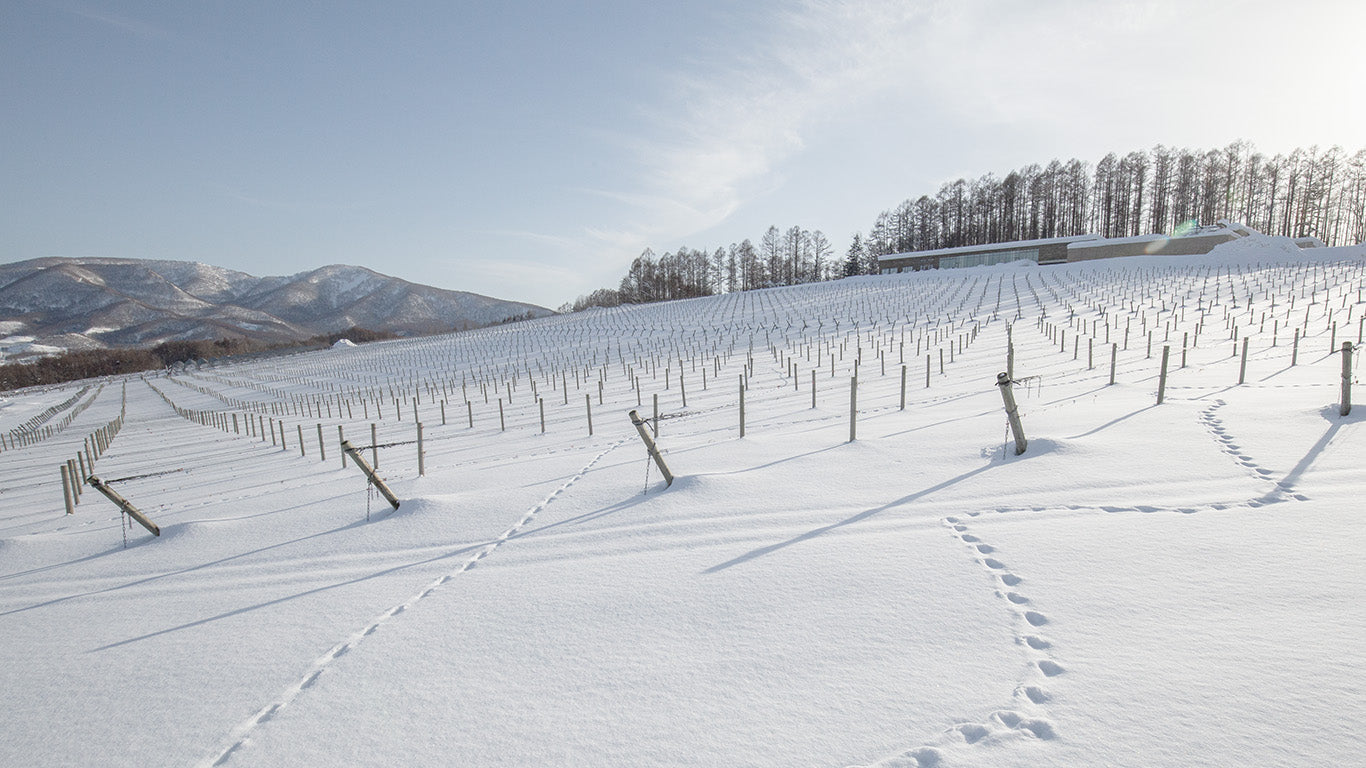
A wine tells the story of the place where its grapes grow and the people who nurture it. In Japan, that story leads through very different landscapes. Understanding its wines means encountering established growing traditions, regional grape varieties and a wide range of decisions in the vineyard and cellar.
Our overview takes you from origin to glass in seven chapters. Start with a region, a grape variety or a question that interests you. Each chapter explores a topic in depth and includes further sources, among them original Japanese publications from wineries, public authorities and research institutions.
All chapters at a glance
What makes wine growing in Japan distinctive
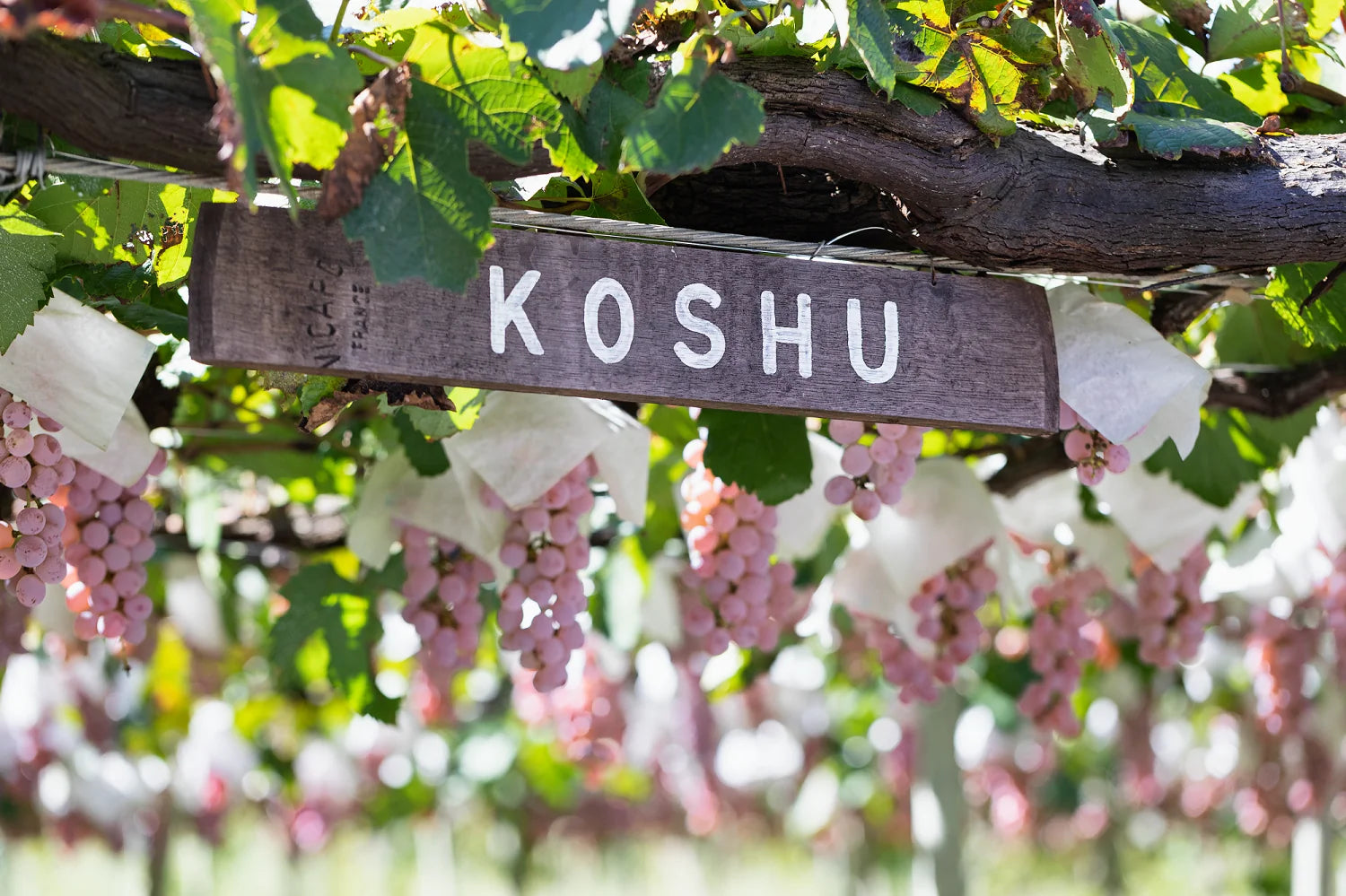
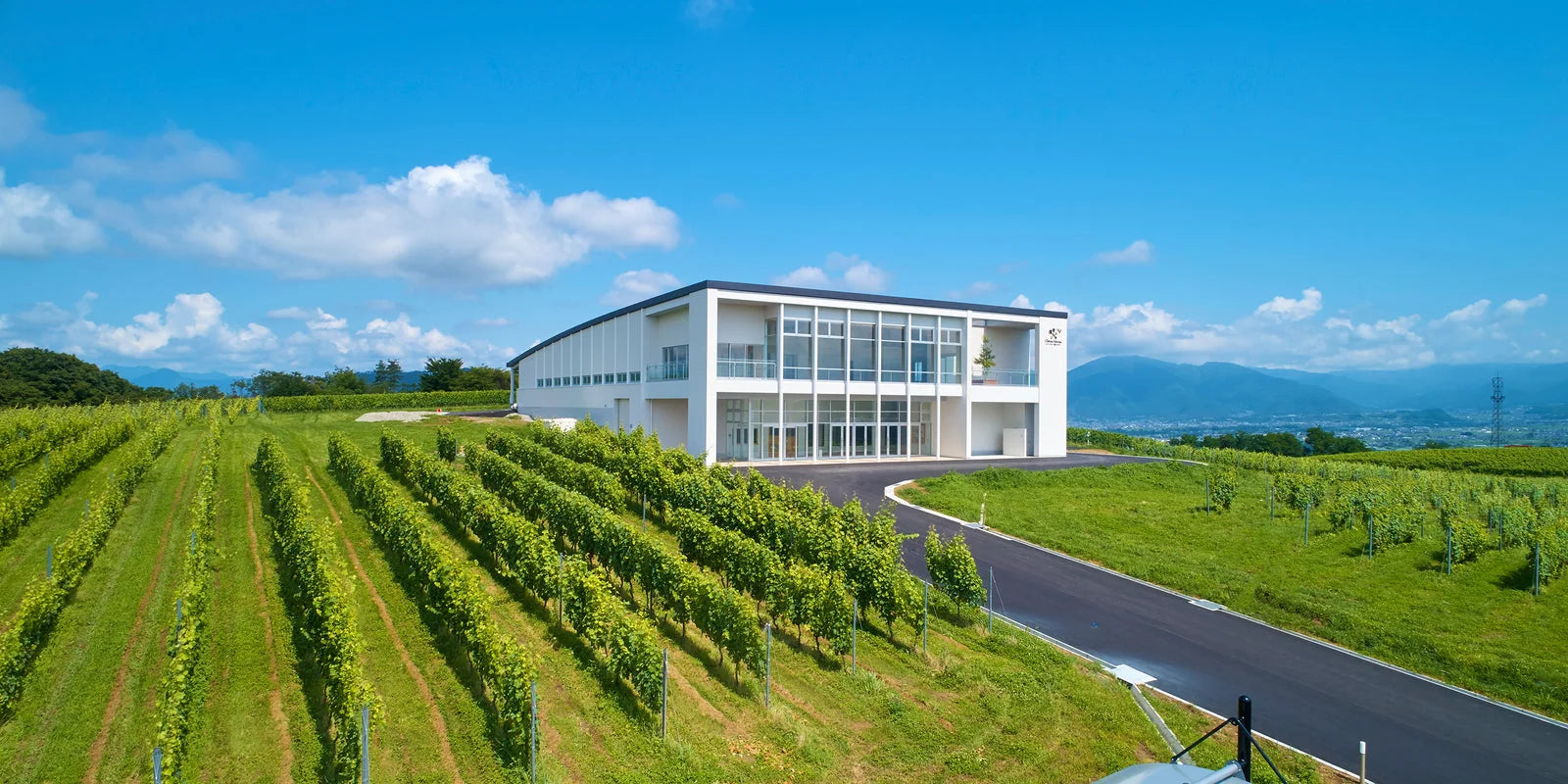
There is no single Japanese wine landscape. In Yamanashi, the traditional pergola is part of a long-established fruit-growing culture. In Nagano, inland conditions matter for wine growing. In the south, Tsuno Wine in Miyazaki describes how drainage, wind protection and adapted growing methods respond to rain and typhoons. These examples show why a region alone cannot explain the character of every wine it produces.
Tradition and new approaches are not necessarily at odds. The choice of training system and the way a wine is made depend on the grapes, the site and the producer’s vision. Our chapters take these differences seriously and help you understand a wine more closely through its origin and the way it is made.
Sources and further reading · original Japanese sources
The following sources explain selected foundations of this overview. Further evidence and context for individual statements can be found in the relevant chapters.
 A new perspective on wine.
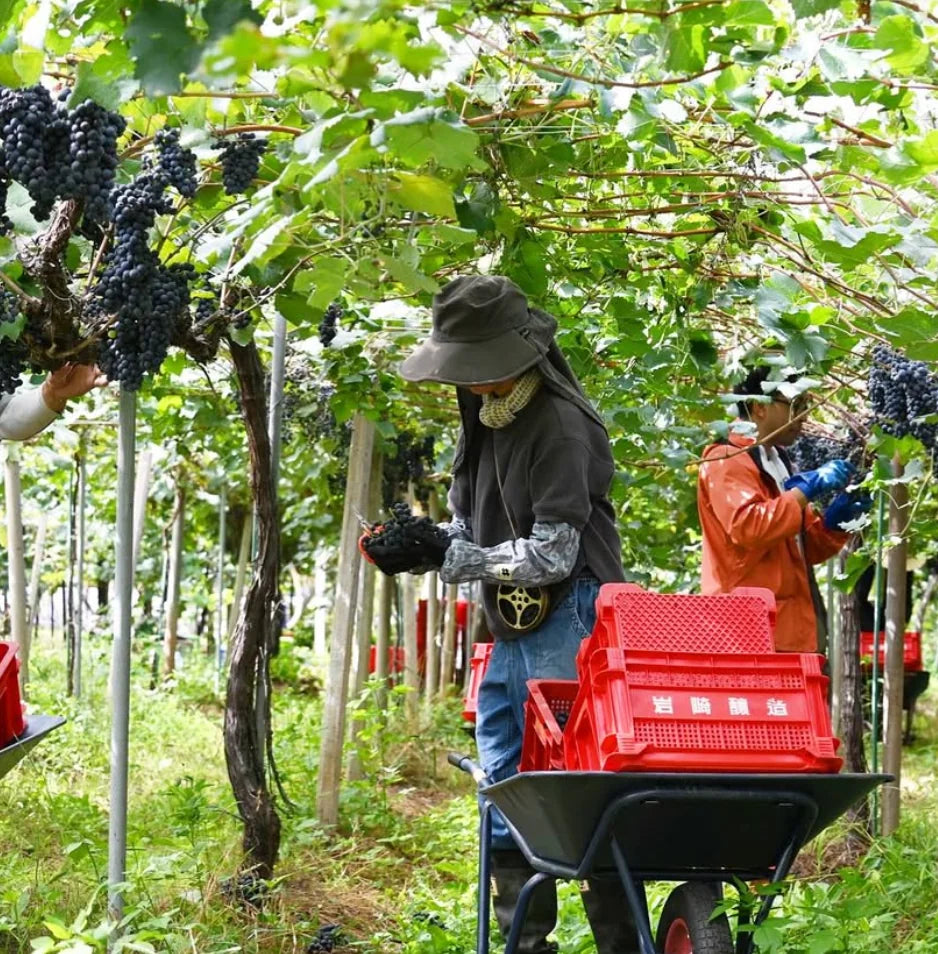 Meet the people behind the wines.
 Japan, beyond the familiar.
 Stories from Japan.