 A new perspective on wine.
 Meet the people behind the wines.
 Japan, beyond the familiar.
 Stories from Japan.


Katsunuma, Yamanashi
Katsunuma Jyozo
Aruga Branca. The many expressions of Koshu.
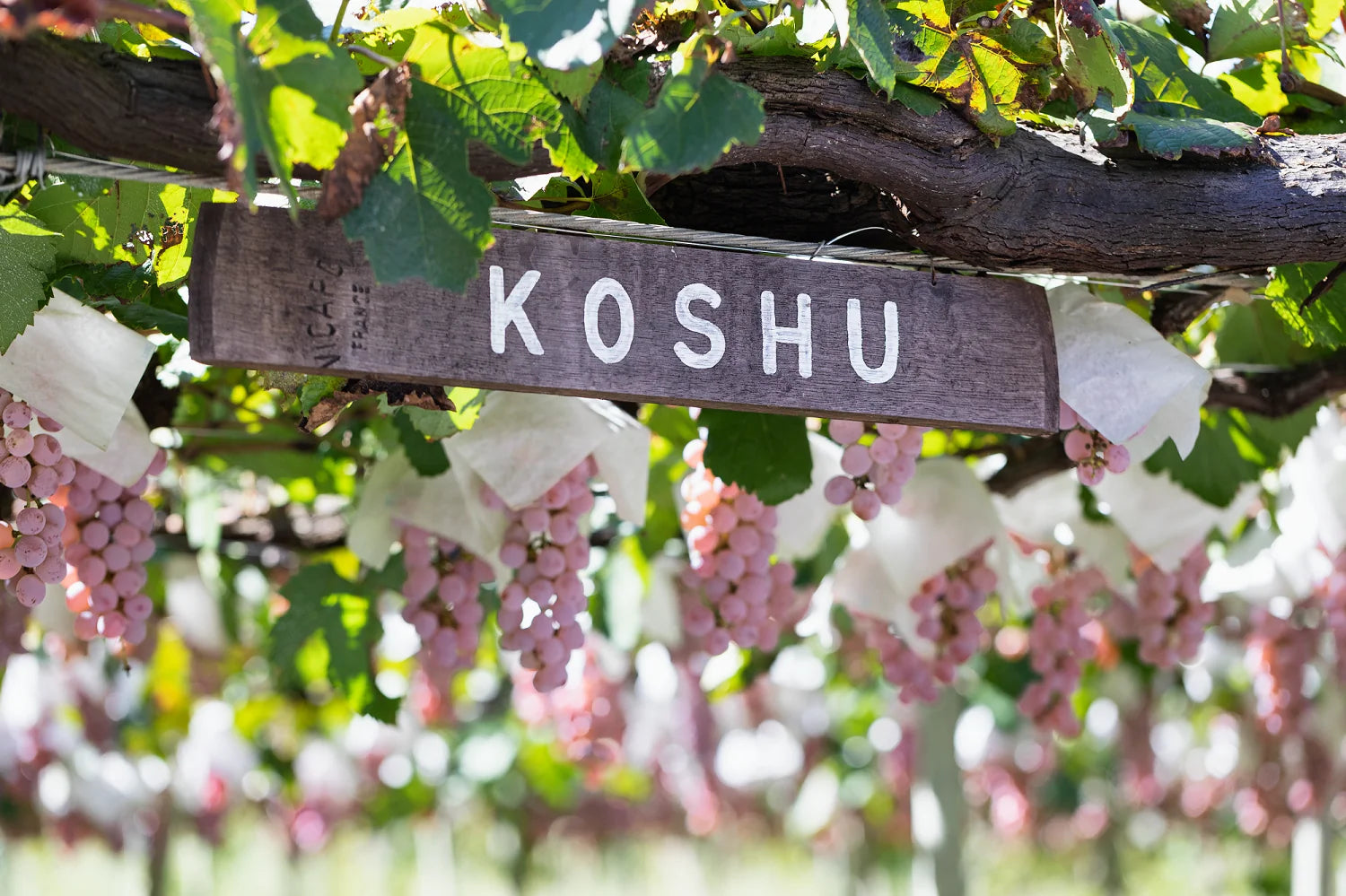
One grape can tell many stories. Katsunuma Jyozo devotes particular attention to Koshu, exploring its range of expression through Aruga Branca. Origin, texture and the relationship with food provide the connecting thread.
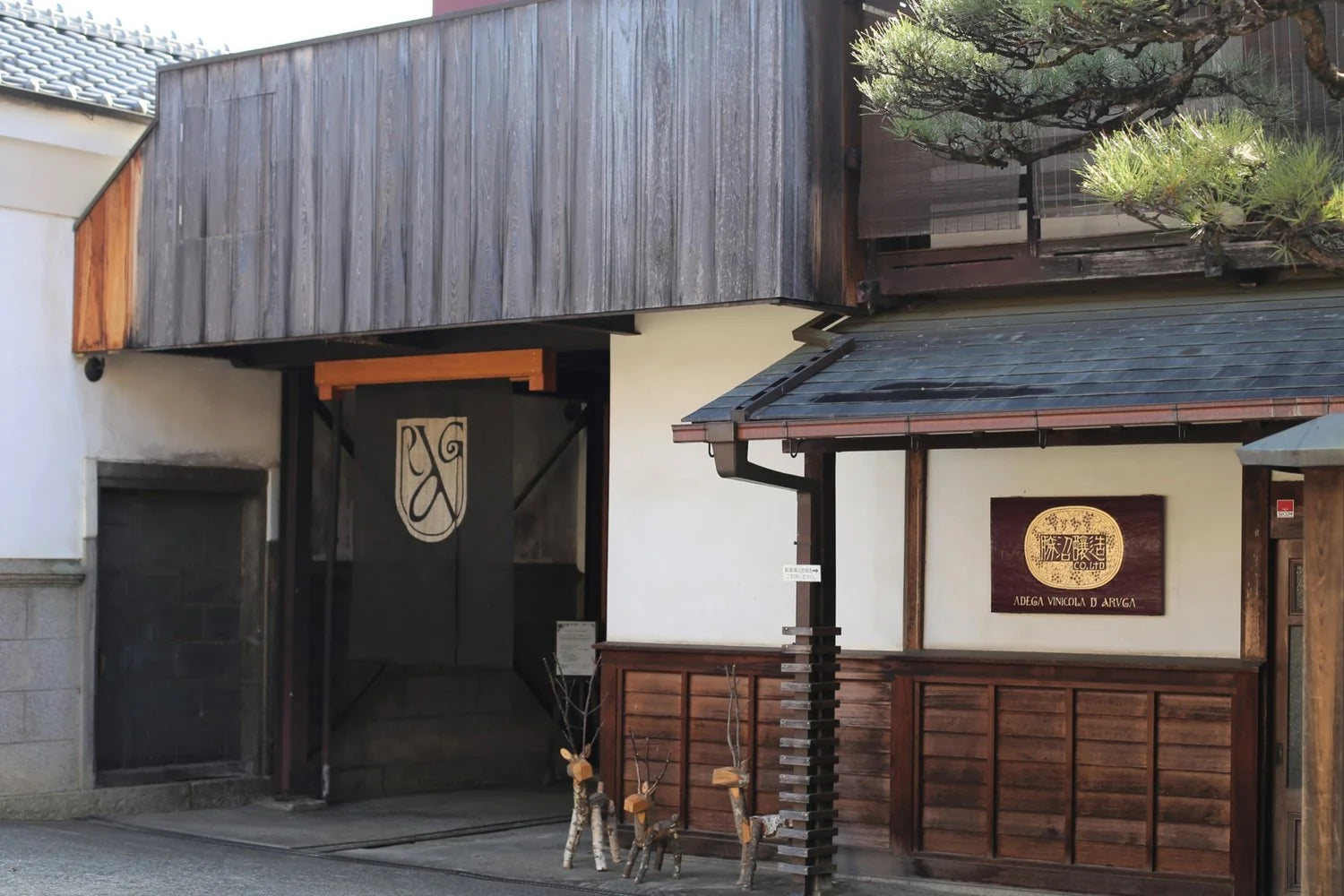
- Location
- Katsunuma, Yamanashi
- Founded
- 1937
- Focus
- Koshu and the Aruga Branca range
A family and its region
The Aruga family began making wine in 1937 while still working in silk production. In 1941, 29 neighbouring farmers joined a cooperative winery. The company has used the name Katsunuma Jyozo since 1954.
The traditional Japanese main house gives that history a physical setting. Behind its dark noren curtain are tasting areas; a terrace looks towards the vines, and the premises also include a glass gallery. Wine can be experienced here as part of a lived-in landscape: in the house, in the glass and through the work taking place just outside.
Koshu begins with its origin
The winery distinguishes Iwai, with volcanic soil influences, Yamato, with freely draining sand and gravel, and Kaneyama, with clay and sandier layers. Different conditions for the same grape therefore occur within a relatively small area.
Another origin is Issehara in Fuefuki. Here, the estate describes sandy soils shaped by river deposits, with stones and little clay. The individual site gains a distinct identity. To us, this offers a particularly interesting way into Koshu: comparing wines raises the question of how differently this grape can respond to its surroundings.
Viticulture as continuing exploration
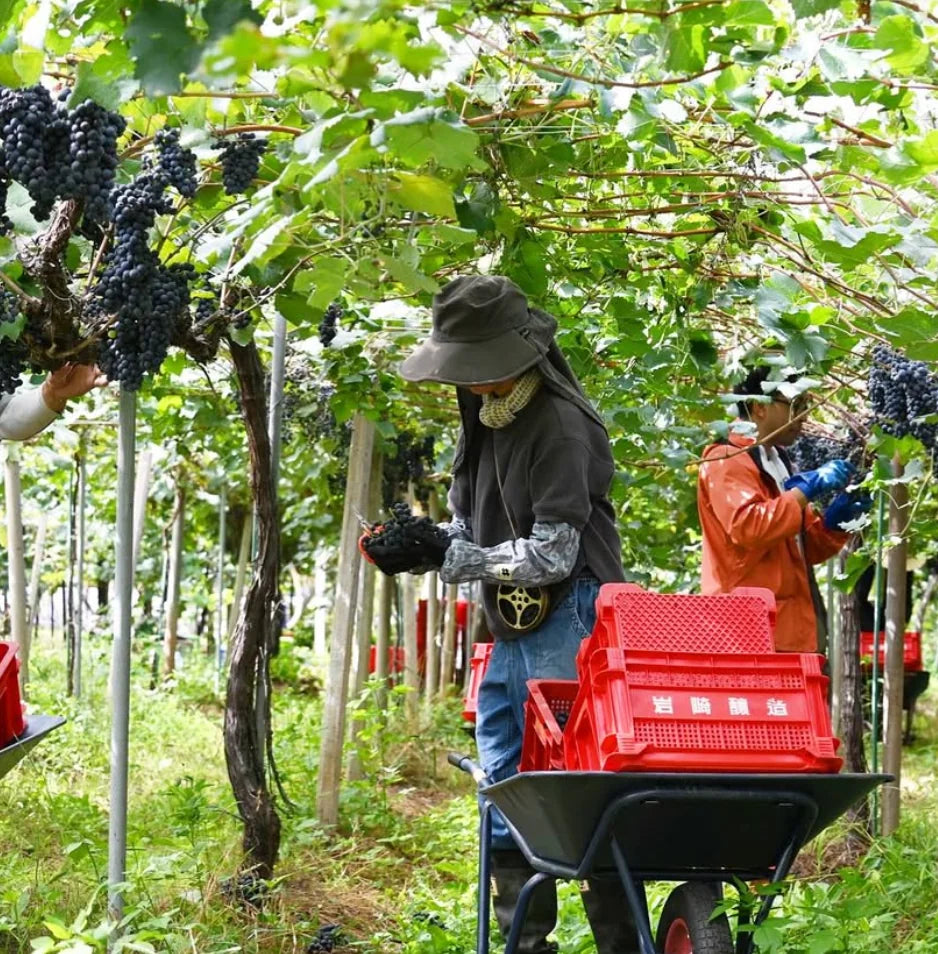
In a discussion published by Yamanashi Prefecture, Shō Aruga explains how closely vineyard and cellar work are connected: alongside tending the vines, he takes on fermentation duties during harvest. For soil care, he describes chipping vine prunings and returning them to the vineyards.
The estate vineyards also serve the exploration of Koshu. In an interview, Jun Aruga describes comparisons between soil types, elevations and training systems. The interesting principle is a willingness to reconsider a familiar grape. These differences are studied and can later inform the selection or blending of individual lots.
One grape, different cellar paths
Aruga Branca makes that diversity easy to follow. Clareza represents dry Koshu aged on its lees; Pipa is fermented and matured in oak. Brilhante gains its bubbles from a second fermentation in bottle. Doce takes another direction as a very sweet wine made from concentrated must.
With Issehara, the precise bottling name is particularly informative. The regular wine is described in the product sheet as fermented and matured in stainless steel. The house has also introduced a separate Barrel Selection version. Origin and maturation are therefore distinct questions that together provide a fuller picture of the wine.
The idea comes together at the table
The relationship between wine and food can be experienced at the estate's Kaze restaurant. Set above the vineyards, it serves dishes including Wagyu roast beef and regional vegetables. Koshu is presented in a context that extends beyond its obvious association with fish.
This also suggests an enjoyable tasting at home. Begin with a dry Koshu and a delicately seasoned starter, then explore a differently matured wine alongside a richer dish. Notice how acidity, texture and seasoning interact. An evening like this can reveal a great deal about one grape without requiring many different varieties.
Wines from Katsunuma Jyozo
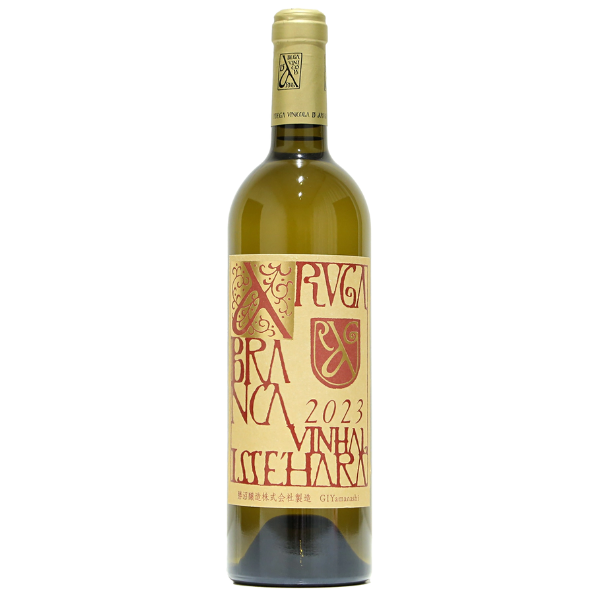
勝沼醸造 - Katsunuma Jyozo
Aruga Branca Issehara 2023
€104,00
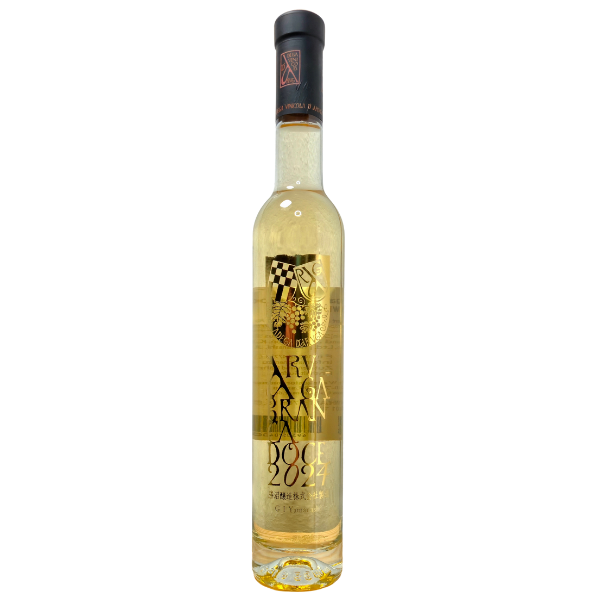
勝沼醸造 - Katsunuma Jyozo
Aruga Branca Doce 2024
€75,00
Taxes included. Shipping policy
