 A new perspective on wine.
 Meet the people behind the wines.
 Japan, beyond the familiar.
 Stories from Japan.


01 · Winegrowing in Japan
Understanding origin
Japanese wine begins with a simple question: where were the grapes grown? Under Japanese labelling rules, 日本ワイン – Japan Wine denotes a wine made in Japan whose fruit ingredient consists exclusively of grapes harvested in Japan. The definition excludes wine made using water as an ingredient. Both the origin of the grapes and the place of production are therefore decisive. A Japanese brand or winery address alone does not establish a wine's origin.
The broader term 国内製造ワイン – domestically produced wine also includes products made with imported wine or foreign raw materials. Japan Wine belongs to this broader category too. The terms therefore describe different levels: every bottle of Japan Wine is part of Japanese domestic production, but domestic production is not exclusively Japan Wine. This distinction was a major reason for introducing binding labelling rules.
The rules were announced on 30 October 2015 and became applicable from 30 October 2018. They establish origin, rather than a particular flavour, grape or quality ranking. Chardonnay and Merlot grown and vinified in Japan can qualify too. “Japan Wine” does not mean that every ingredient is Japanese, nor does it promise an additive-free product. Region, grape and winemaking approach tell the next part of the story.
Geographical indications: defining origin more precisely
The definition of Japan Wine provides a national foundation. A protected geographical indication, GI, sets additional requirements for a specific origin. For wine, Yamanashi was recognised as a GI on 16 July 2013. The NTA subsequently lists Hokkaidō with the date 28 June 2018 and Nagano, Yamagata and Osaka with 30 June 2021. These dates mark recognition of the respective wine GIs, not the beginning of winegrowing in those areas.
GI Yamanashi requires grapes grown in the prefecture, permitted varieties and production within Yamanashi, alongside analytical and production standards. The designation therefore communicates more than the producer’s address.
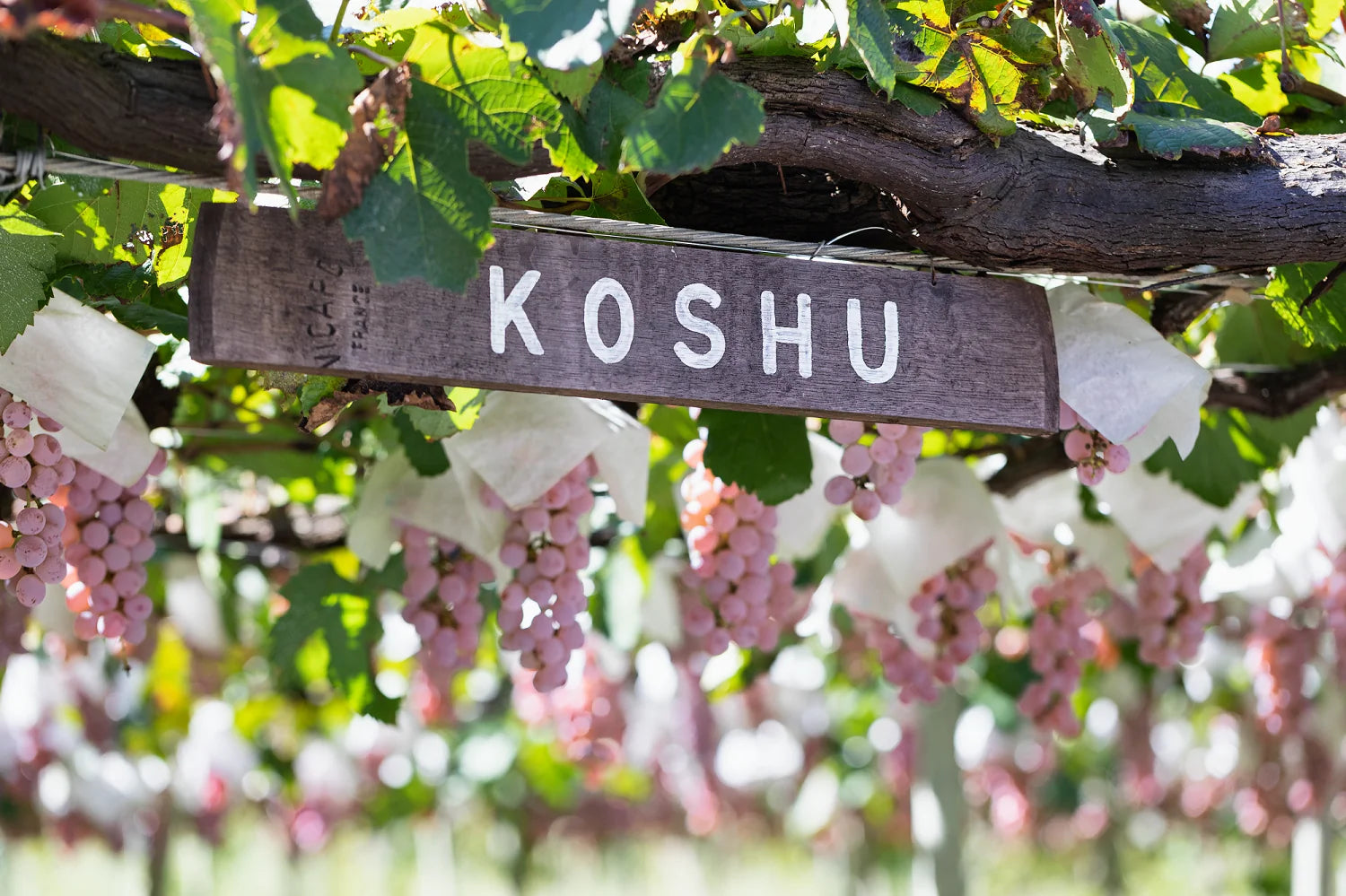
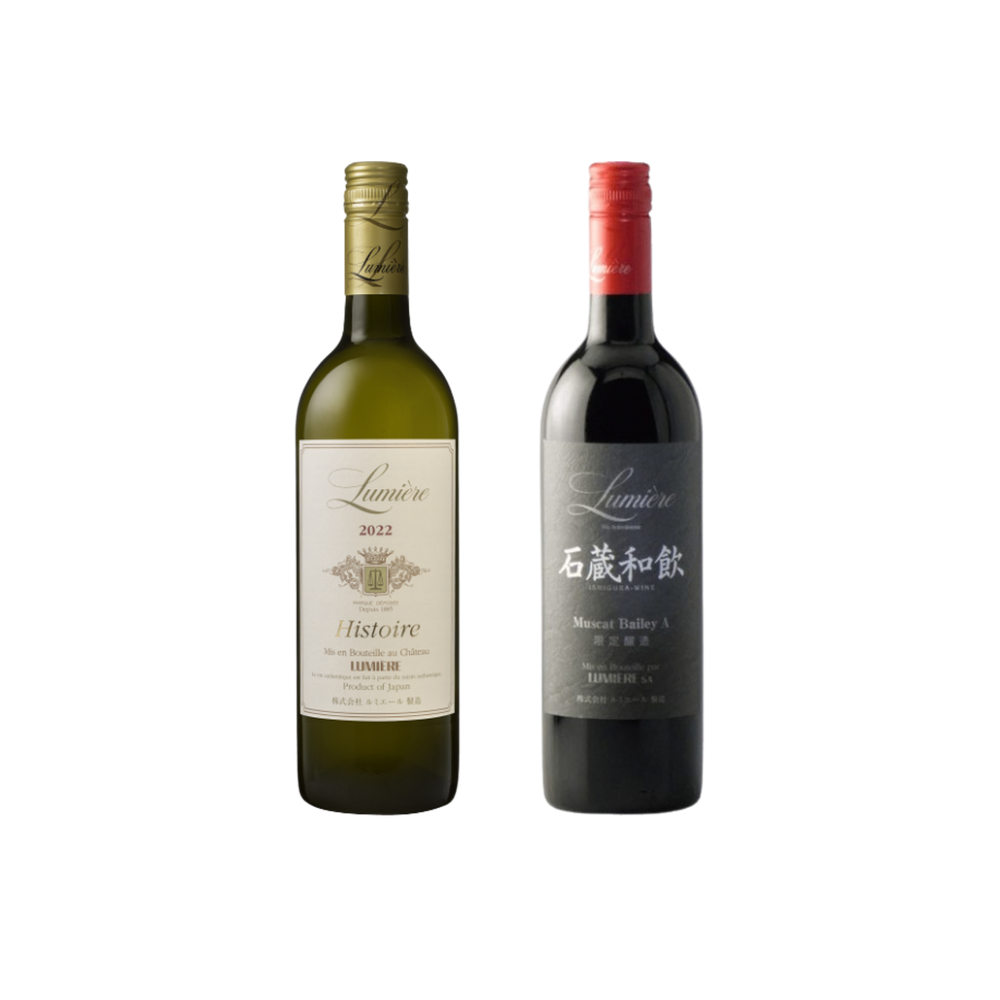
Reading these layers together makes a bottle easier to understand: Japan Wine establishes national origin; region and GI refine it; variety, vintage and winemaking describe the individual expression. Kōshū, Muscat Bailey A and Japanese-grown Merlot represent different routes through the same evolving wine culture.
