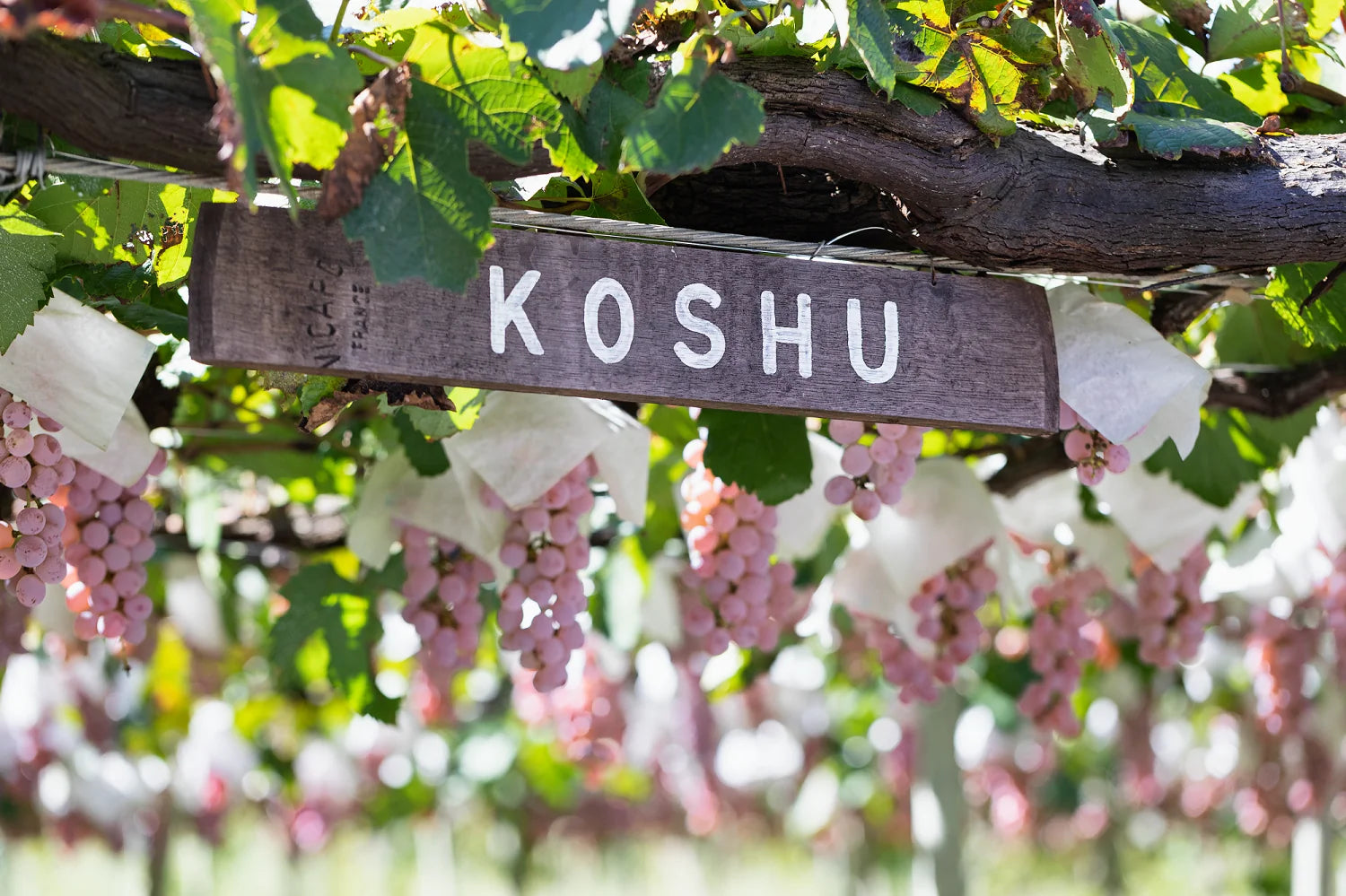
 A new perspective on wine.
 Meet the people behind the wines.
 Japan, beyond the familiar.
 Stories from Japan.


Fuefuki, Yamanashi
Lumière
A living chapter of Japanese wine history
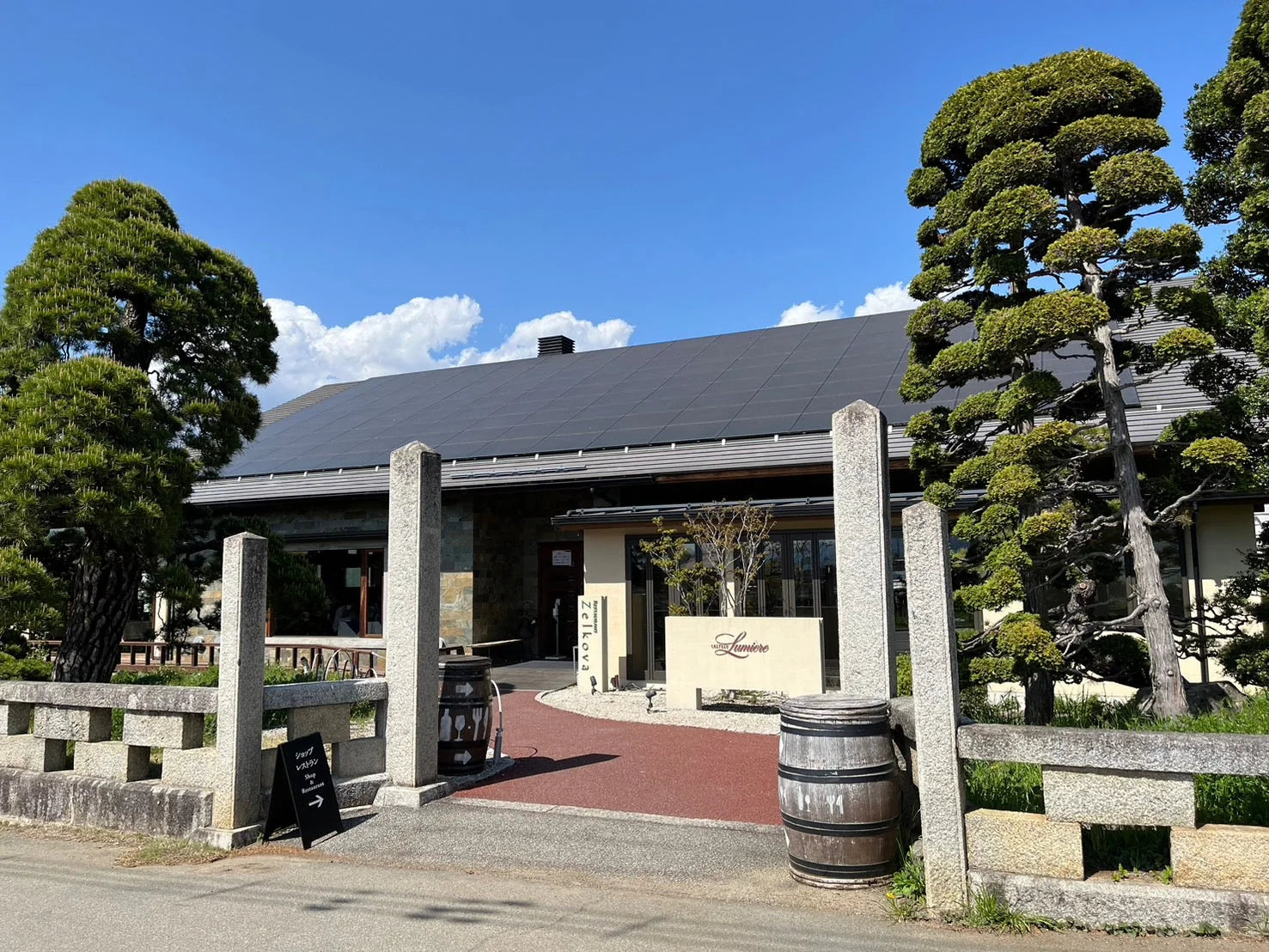
Beneath the vines of Fuefuki lies a story reaching back to the Meiji era. Lumière combines historic stone fermentation tanks with modern cellar practices. Koshu, red varieties and sparkling wines offer different ways to discover Yamanashi.
- Location
- Fuefuki, Yamanashi
- Founded
- 1885
- Historic cellar
- Ishigura fermentation tanks dating from 1901
A winery shaped by its history
The winery that became Lumière was founded in 1885. The present name was adopted in 1992; previously, the house was known as Kōshūen. Its buildings and working practices still reveal the different stages of that development.
The cellar makes this especially tangible. Former concrete tanks dating from 1961 were opened up and reused as storage space. Historic structures remain part of daily work. They offer a useful starting point for understanding Lumière: its history survives in rooms that still serve the wine.
Soil, grass and attention to detail
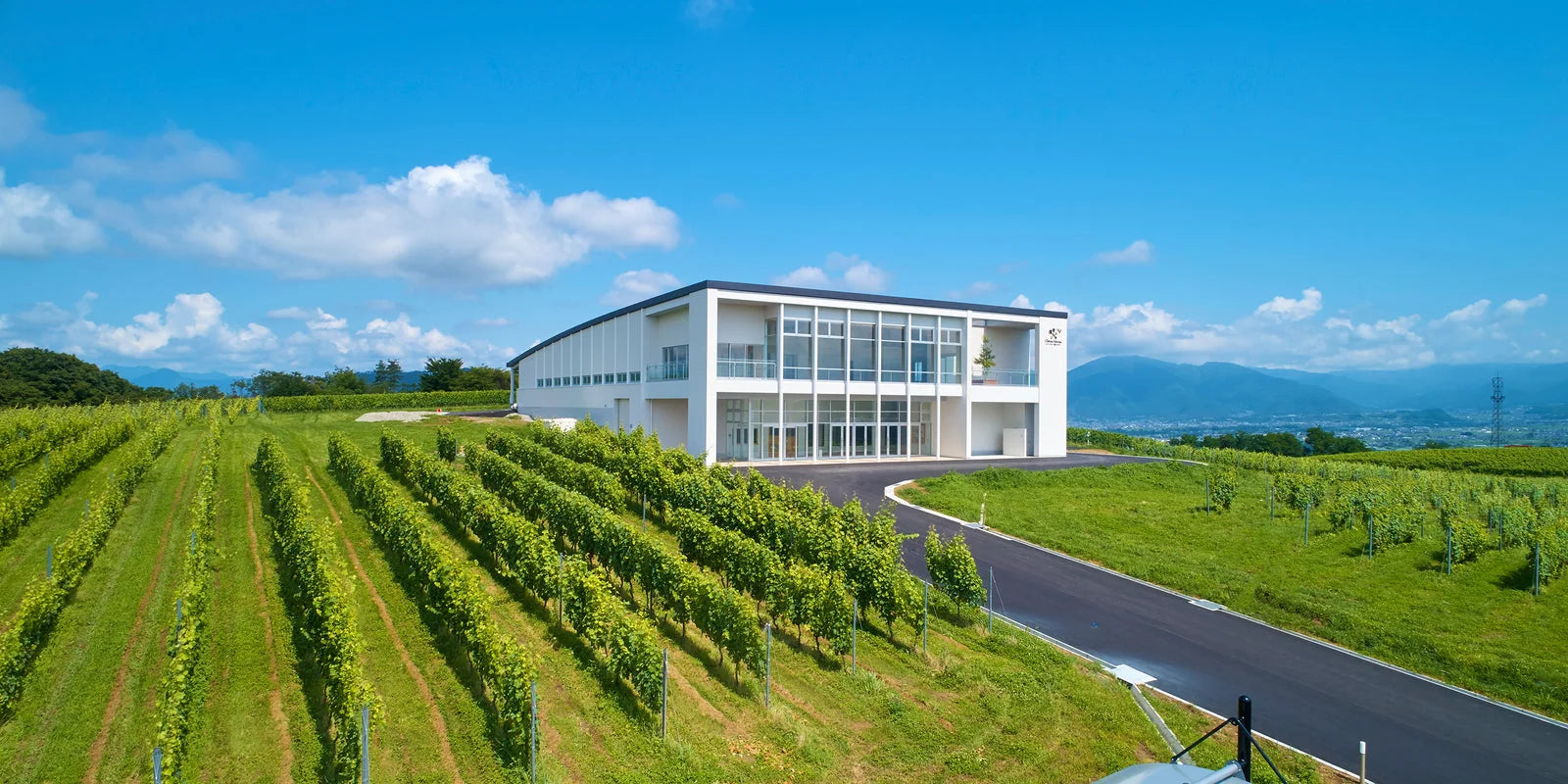
The estate vineyards occupy alluvial fans formed by deposits from the Hikawa and Kyōdo rivers. Beneath the topsoil lie sand, gravel and stones; Lumière identifies granodiorite, sandstone and shale or slate among them. This permeable subsoil is an important part of the estate's account of its vineyards.
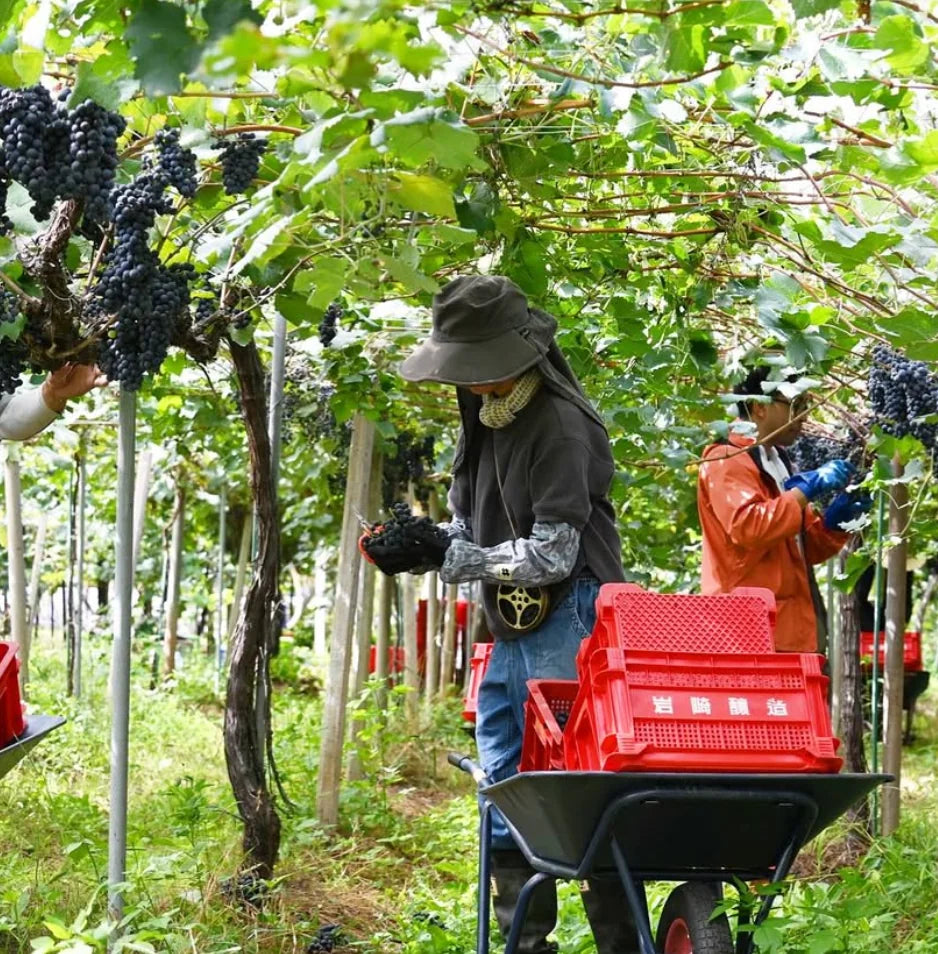
Vegetation is retained between the vines and, according to the winery, the soil is not ploughed. The team also watches the plants that grow spontaneously: their presence can provide clues to soil conditions. Vineyard care therefore involves close observation over successive growing seasons.
Ishigura: making wine within a cultural monument
The underground Ishigura fermentation tanks were built from granite in 1901. Ten chambers stand side by side, reached by a passage within the hillside. The installation has been a nationally registered tangible cultural property since 1998. Part of its appeal is that it remains in use for winemaking.
In the documented Ishigura process, bamboo grids are installed first. Crushed grapes enter with their skins and stems; further bamboo elements hold the rising solids beneath the must. After fermentation, the wine is drawn off and matures in other vessels. Stone and bamboo therefore shape the fermentation itself.
Care in the cellar, time in the bottle
The newer winery also makes use of the slope. Wine travels from the tanks to the cellar by gravity, avoiding pumps on that part of its journey. Historical and modern facilities operate together at Lumière.
Another dimension arrived in 2007 with sparkling wines undergoing a second fermentation in bottle. Once fermentation in the sealed bottle is complete, the wines mature; riddling then collects the yeast deposit in the neck before disgorgement removes it. Understanding these stages helps explain why sparkling wine has a distinct place in the house's range.
Discovering Lumière in the glass
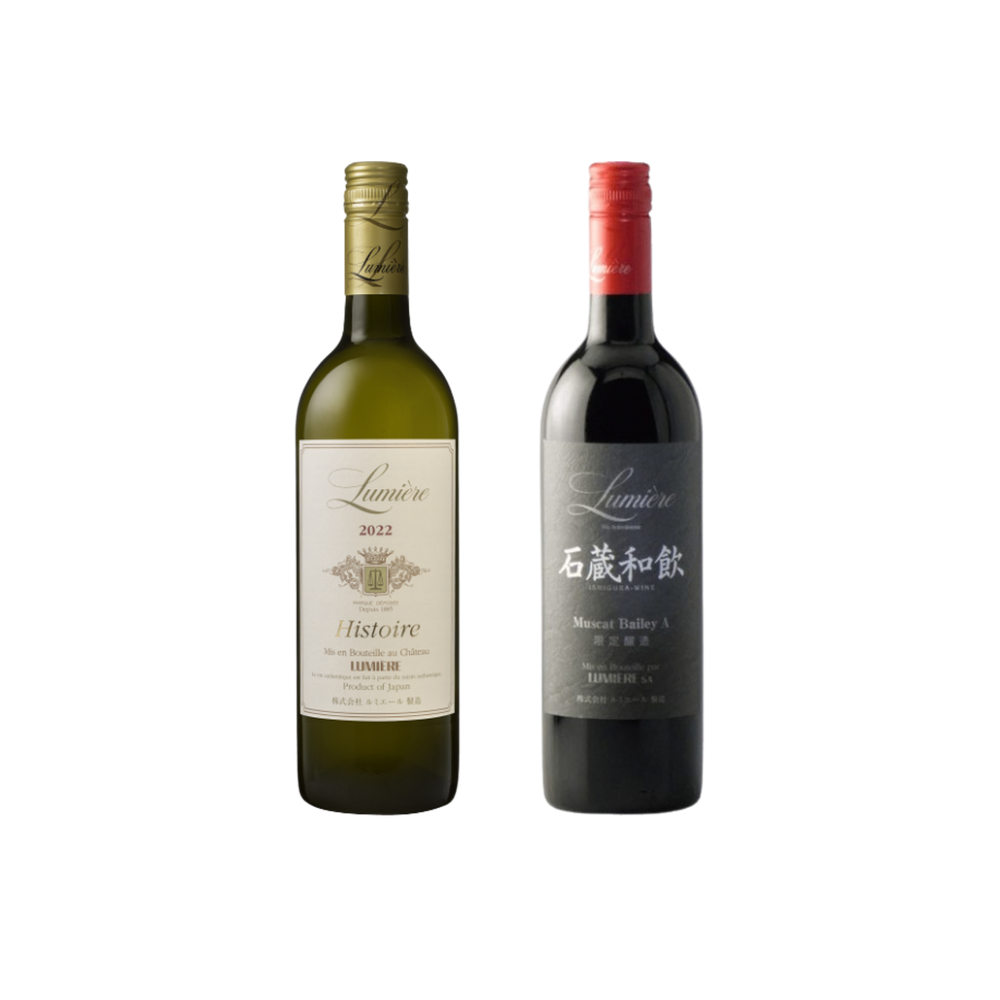
A good introduction is to consider the different styles side by side. The range includes still and sparkling Koshu, red wines and individual collections such as Hikari. Ishigura directs attention towards a historical production method. Together, they show how many different questions one winery can ask of its grapes.
For a comparison, we suggest beginning with structure: how does the acidity feel, how much space does the texture occupy, and how does a dish change the impression? This allows each bottle to reveal itself without assigning one flavour profile to every wine the estate makes.
Wines from Lumière
ルミエール - Lumière
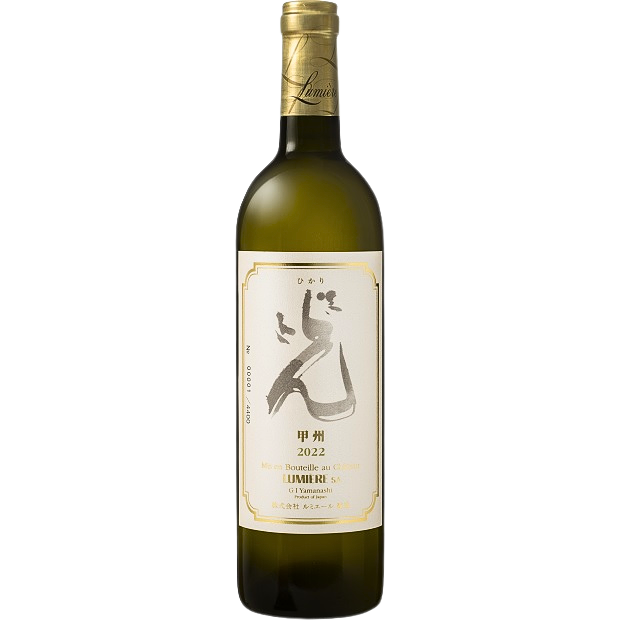
Hikari Koshu 2022
€72,00
ルミエール - Lumière
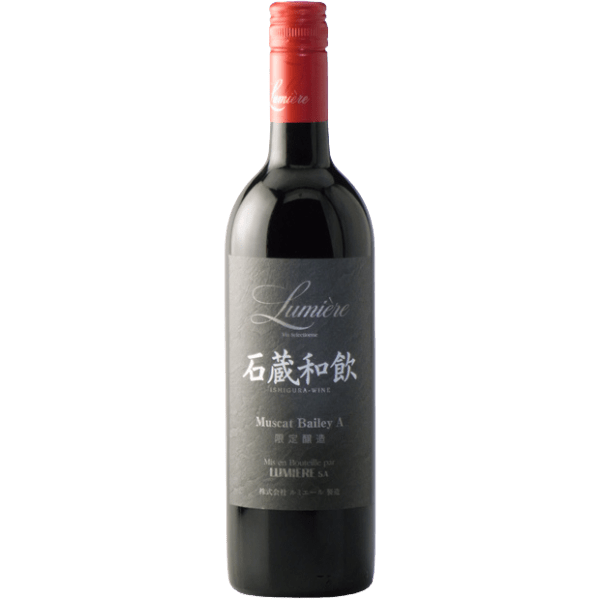
Ishigura 2023
€48,00
Taxes included. Shipping policy
