 A new perspective on wine.
 Meet the people behind the wines.
 Japan, beyond the familiar.
 Stories from Japan.


06 · Winegrowing in Japan
The winemaker’s signature
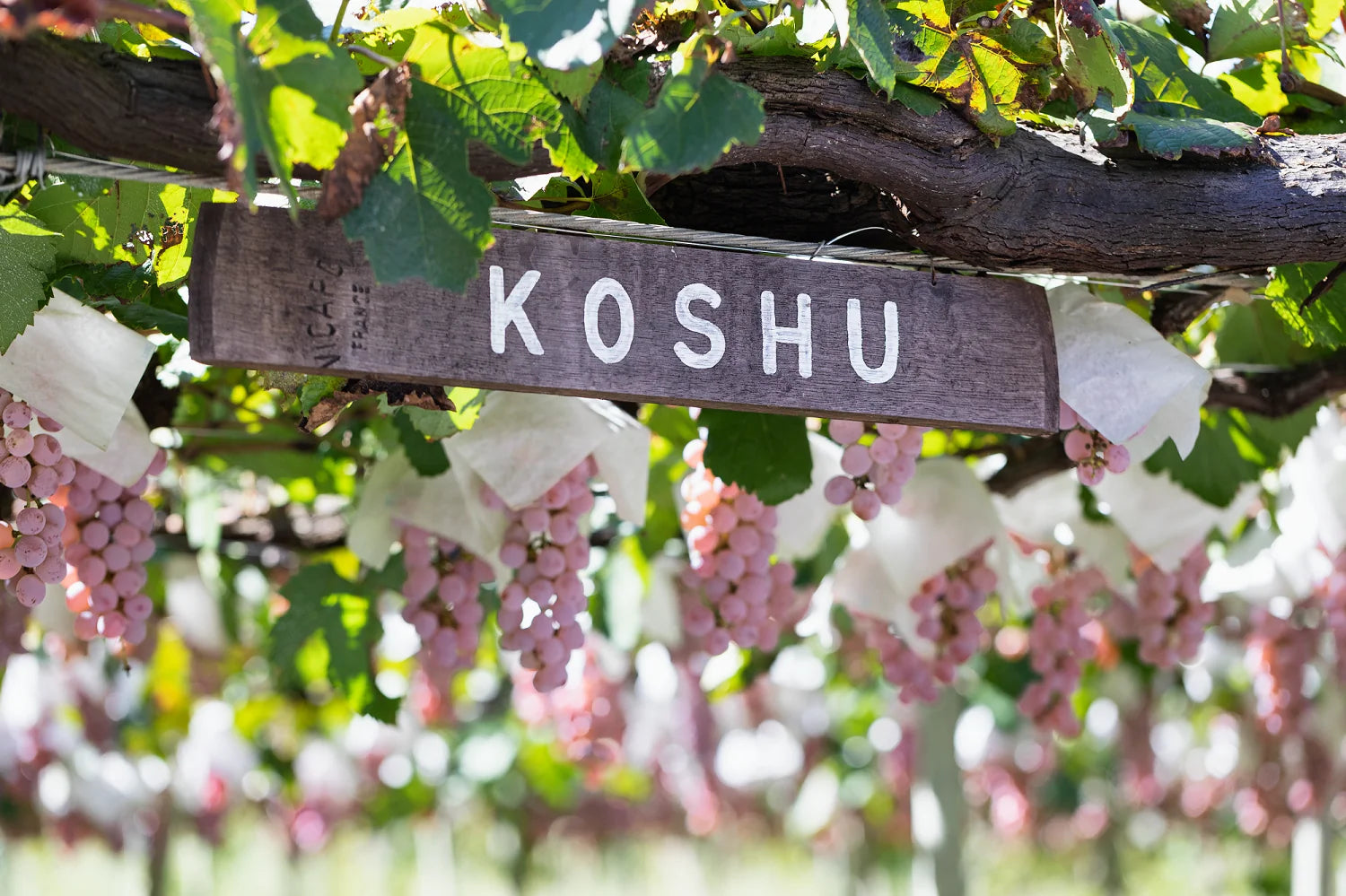
Growing conditions establish the framework; vinification opens up choices. Koshu makes this diversity particularly clear. Mercian documents the introduction of the sur-lie method in 1983 and the first release in 1984: the wine remains on its yeast lees after alcoholic fermentation. For the also documented Gris de Gris, skins and seeds are instead included in fermentation. Lees ageing and fermentation on skins are different processes that shape different aspects of a wine.
Oak is also a deliberate choice. In its account of the 2015 Koshu vinification, Tomi no Oka describes separate tank and barrel lots. The estate avoids new barrels for barrel fermentation so that oak flavours do not overpower the grape. The report then explains the intended later blending of the tank-fermented and barrel-fermented wines after maturation. This example shows how a producer can combine different winemaking approaches within a single stylistic vision.
Traditional bottle fermentation provides another option. For its Blanc de Blancs 2017, Grace documents Chardonnay, fermentation in used French oak barrels, a second fermentation in bottle and 84 months of bottle maturation. Fuji-san Winery reports making Koshu sparkling wine by the traditional method from the 2013 harvest. These examples show different varieties and production approaches. They do not make sparkling wine an inevitable consequence of a cool or wet climate.
To understand Japanese wine, two questions can therefore be considered together: what did the vineyard require that year, and what form did the producer want to give the wine? These decisions give origin a concrete expression without reducing it to a single aroma or a single style.
| Method | What to look for |
|---|---|
| Sur lie | Contact with the lees after fermentation; alongside aroma, pay attention to mouthfeel. |
| Skin contact | Grape skins remain in contact with the juice or fermenting wine. Read the producer’s description of the process. |
| Wood | Ask whether the wine was fermented or aged in barrels, and whether these were new or used. |
| Traditional bottle fermentation | A second fermentation in the bottle. Grape variety and ageing time open up different expressions. |
