 A new perspective on wine.
 Meet the people behind the wines.
 Japan, beyond the familiar.
 Stories from Japan.


Katsunuma and Hokuto, Yamanashi
Fujiclair
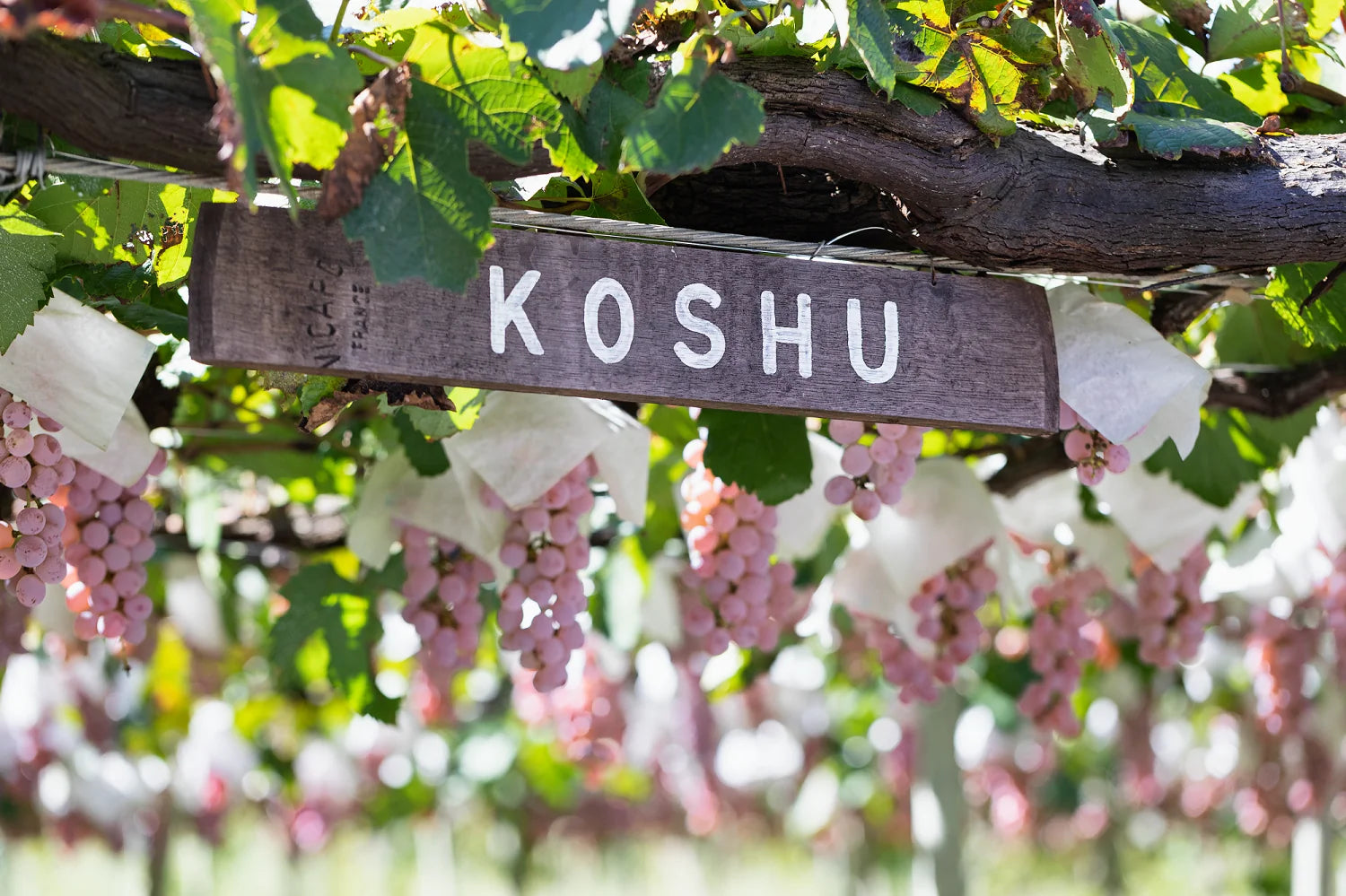
Koshu and new vineyards in Hokuto
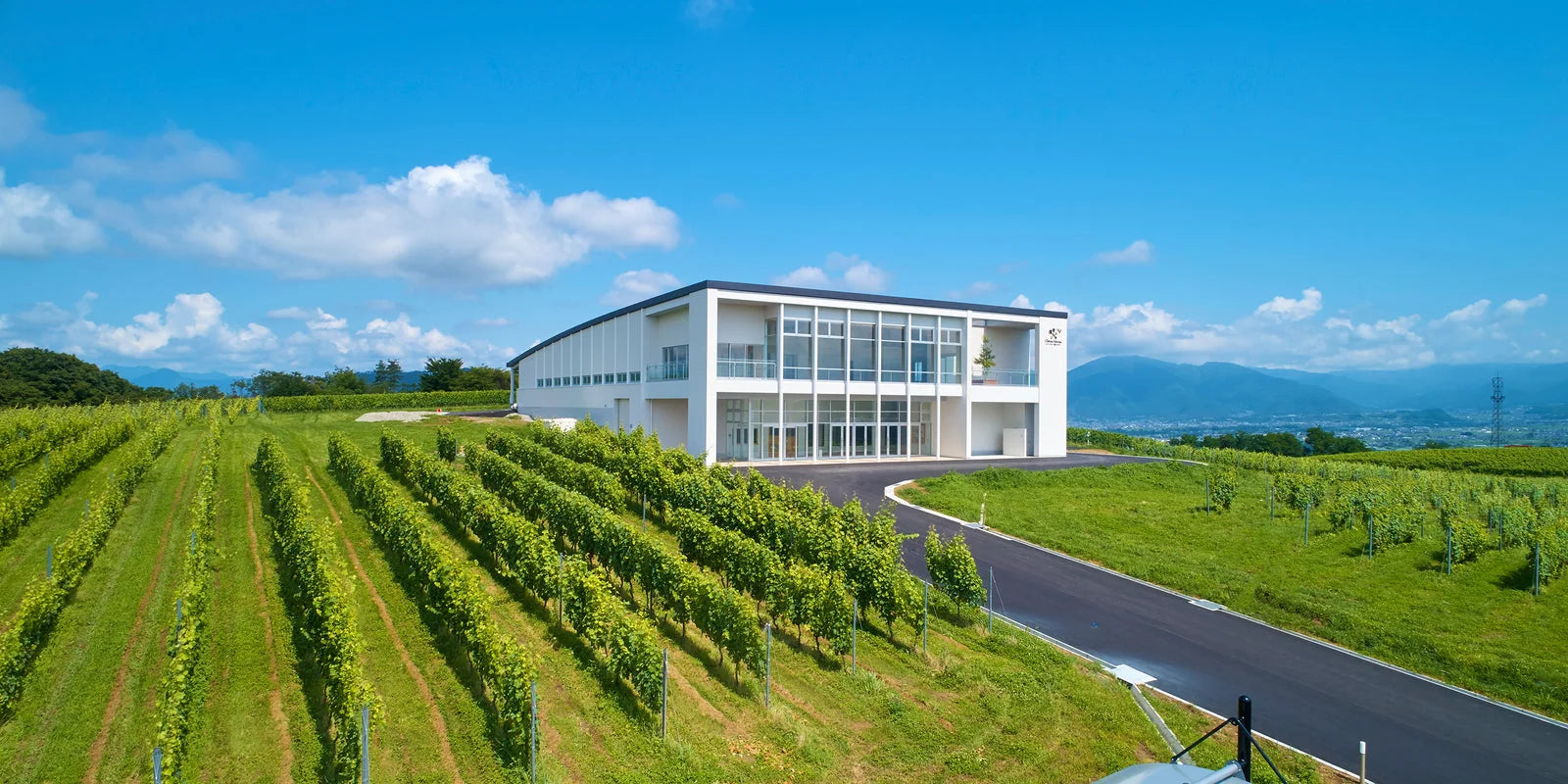
Fujiclair connects its winery in Katsunuma with vineyards in northern Yamanashi. At its heart is a clear ambition: wines for Japanese food. Exploring the different growing areas helps reveal the many possibilities within that aim.

- Winery
- Shimo-Iwasaki, Katsunuma
- Founded
- 1963
- Further growing areas
- Akeno and Mukawa in Hokuto
Since 1963, with food in mind
Founded in 1963, the winery is based in Shimo-Iwasaki in Katsunuma. Its outlook connects Japanese food culture with grape origin and contemporary winemaking. Food offers a useful key to Fujiclair: a bottle should find its place at the table and reveal new aspects alongside a dish.
The logo also expresses an idea of clarity, using Mount Fuji and its reflection on water. As an image, it suits the house's wish for precise expression. The actual origins of the grapes, however, are best understood through the individual vineyards.
Akeno: a different Yamanashi landscape
Alongside longstanding relationships with regional grape growers, Fujiclair has expanded its own vineyards. Viticulturist Hiroyuki Kubota joined the team in 2017 and revised the plans for Akeno. These vineyards occupy an area of volcanic soils east of the Kamanashi River. Plantings include Chardonnay, Sauvignon Blanc, Cabernet Sauvignon and Syrah.
For Akeno, the winery describes ground cover, no chemical fertilisers and reduced pesticide use. Prunings are made into charcoal and returned to the soil.
Mukawa and the question of the future
With Mukawa in the municipality of Hokuto, Fujiclair is looking towards the decades ahead. In 2023, the city and winery documented the start of their joint project and a planting ceremony in a trial plot. Varieties being tested included Koshu, Muscat Bailey A, Chardonnay, Pinot Noir and Riesling.
Climate change was explicitly a reason for seeking the site. Temperature variations, soil and sunlight were among the considerations. Such trials show that a winery's development begins long before its next bottling. The combinations of site and grape that prove suitable must reveal themselves over time.
A new direction in the cellar
Cellar work begins with careful fruit selection and efforts to limit oxidation. Stainless steel and French oak are used according to the wine; bottles can be stored in the underground tunnel cellar. New Zealand winemaker Theo Coles has also advised Fujiclair since 2023.
For the direction introduced from 2023, the house lists practices including spontaneous fermentation, no added sugar or acid, and unfiltered bottling. It expressly notes that products can differ. Information about the individual bottle therefore matters, particularly when wines from different vintages are offered together.
Understanding the collections
The different collections help orient the reader. Momochi focuses on grapes from Akeno; the winery also describes night harvesting and subsequent selection for this series. Fujiclair includes the Kyōtō, Ginka and Hayabusayama labels. Lady Beetle and Kuranooto bring further individual approaches to the wider range.
We suggest starting with a simple consideration: should the wine accompany a delicately seasoned dish, or take more of the spotlight itself? Then look at the variety, origin and maturation. At Fujiclair, these details give a more precise picture than the brand name alone, turning a broad programme into a personal discovery.
Wines from Fujiclair
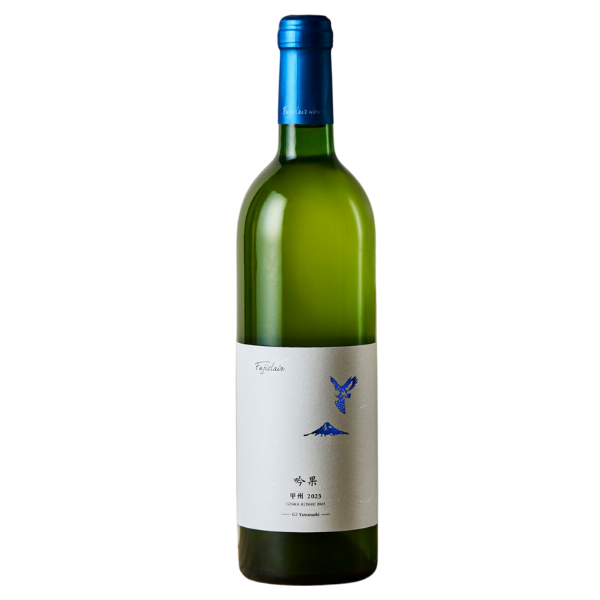
フジクレール - Fujiclair
Ginka 2022
€65,00
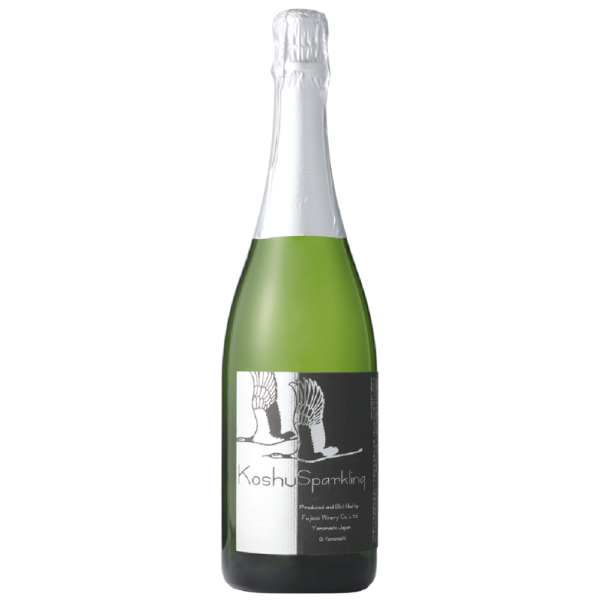
フジクレール - Fujiclair
Koshu Sparkling 2021
€69,00
Taxes included. Shipping policy
